
Sickle Cell Anemia Treatment in India for Ethiopian Patients: Advanced Options Including Bone Marrow Transplant (2026 Guide)
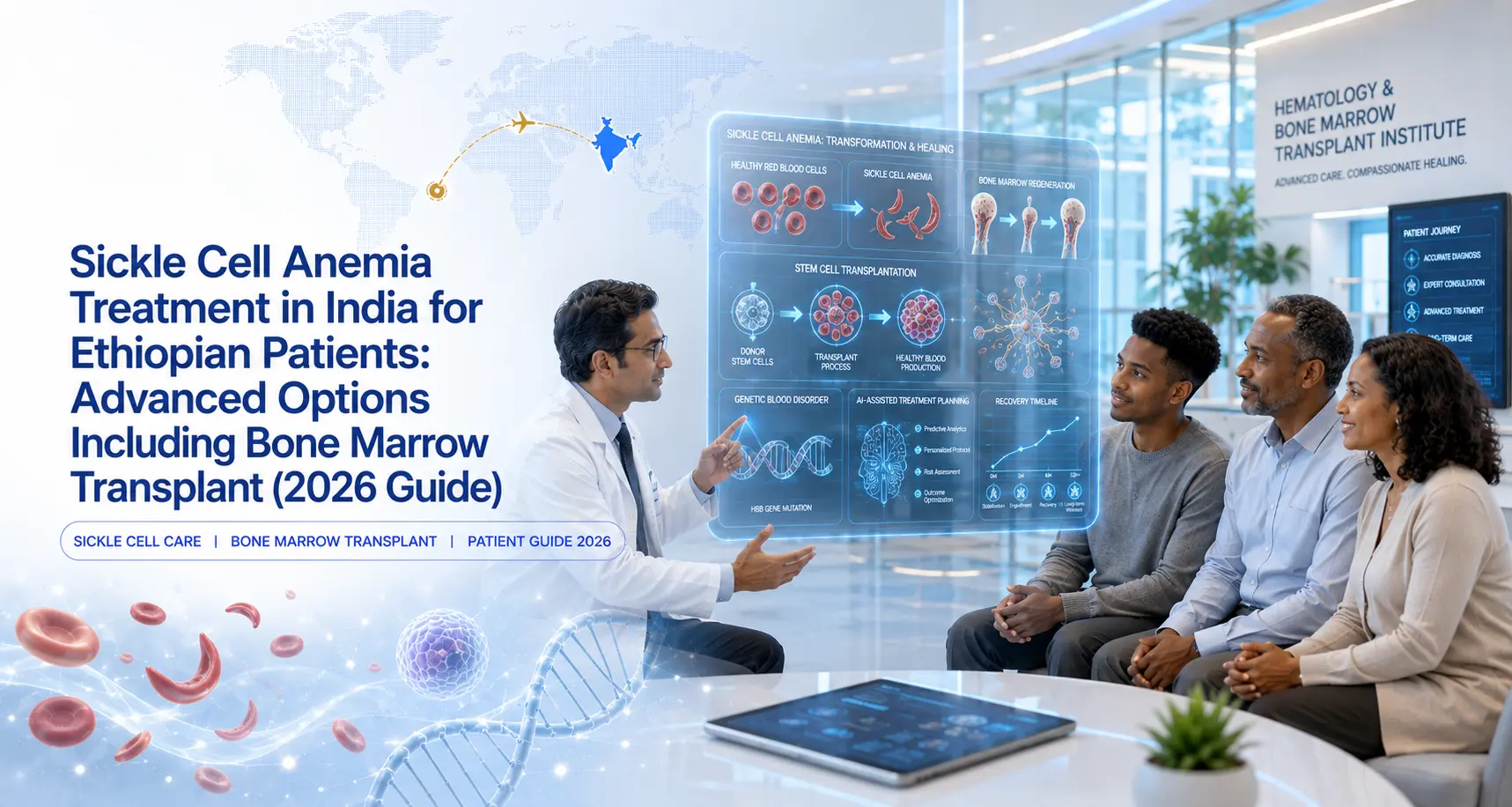
Sickle cell anemia treatment in India for Ethiopian patients ranges from chronic management with hydroxyurea (84,000 to 280,000 Birr annually) to curative bone marrow transplant (840,000 to 1,680,000 Birr one-time). Indian NABH and JCI accredited centers offer the full treatment spectrum including blood transfusions, pain crisis management, hydroxyurea therapy, exchange transfusions, and matched sibling or unrelated donor bone marrow transplantation with 85 to 95% success rates.
Why This Guide Matters for Ethiopian Patients
Sickle cell disease affects an estimated 1 to 2% of newborns in some Ethiopian regions, with sickle cell trait carriers far more common. Many Ethiopian families have one or more children affected with sickle cell disease, often diagnosed after the first pain crisis or severe infection in infancy.
Standard sickle cell care in Ethiopia is limited primarily to symptomatic management with blood transfusions during crises. Hydroxyurea, the standard disease-modifying therapy worldwide, has limited availability and supply consistency challenges in Ethiopia. Bone marrow transplantation, the only currently approved curative treatment, is essentially unavailable in Ethiopia.
Without curative treatment, sickle cell disease causes recurrent painful crises, frequent hospitalizations, infections, organ damage, stroke risk, and reduced life expectancy (typically 40 to 50 years in regions without comprehensive care).
India offers comprehensive sickle cell care including reliable hydroxyurea supply, transfusion management, pain crisis treatment, and curative bone marrow transplantation at major centers. Many Ethiopian families travel to India specifically for bone marrow transplantation of an affected child or for comprehensive disease management beyond what is available locally.
This guide covers what sickle cell anemia is, symptoms and complications, diagnosis, treatment options from chronic management to curative bone marrow transplant, costs in India, and how Ethiopian families access sickle cell care.
What is sickle cell anemia?
Sickle cell anemia is an inherited blood disorder caused by a genetic mutation in the hemoglobin gene, producing abnormal hemoglobin (hemoglobin S) that causes red blood cells to become rigid, sticky, and crescent-shaped, leading to blocked blood flow, pain, organ damage, and chronic anemia.
Hemoglobin is the protein in red blood cells that carries oxygen from the lungs to organs throughout the body. Each red blood cell contains millions of hemoglobin molecules. Normal hemoglobin (called hemoglobin A) is what almost everyone has, and it carries oxygen efficiently throughout the body.
Normal red blood cells are round, flexible discs that move easily through blood vessels including the smallest capillaries. They live approximately 120 days, after which old red blood cells are removed and new ones produced in the bone marrow.
In sickle cell disease, a single DNA mutation changes the structure of hemoglobin. The abnormal hemoglobin is called hemoglobin S (HbS). When hemoglobin S releases oxygen, the molecules link together inside the red blood cell, causing the cell to become rigid, sticky, and crescent or sickle-shaped.
Sickled red blood cells cause two main problems. First, they block blood flow in small blood vessels because they cannot bend and squeeze through narrow passages like normal red cells. This blockage deprives organs of oxygen and causes pain. Second, sickled cells break apart faster than normal red cells (60 to 120 days versus normal 120 days), causing chronic anemia because the bone marrow cannot keep up with red cell production.
The genetic basis is straightforward. The sickle cell gene is inherited from each parent. A person who inherits one sickle cell gene from each parent has sickle cell disease. A person who inherits one sickle cell gene and one normal hemoglobin gene has sickle cell trait, which is generally without symptoms.
Common terminology includes sickle cell anemia, sickle cell disease, sickle cell crisis, hemoglobin SS disease (the genotype), and HbS. The Amharic terminology used in Ethiopia includes ሲክል ሴል አኒሚያ (sikl sel anemia), though many patients and families also use የደም ችግር (yedem chigir) meaning blood problem.
Sickle cell disease is particularly relevant for African populations because the sickle cell trait offers partial protection against malaria. This is why the trait persisted in populations living in malaria-endemic regions including parts of Ethiopia.
What are the symptoms of sickle cell anemia?
Sickle cell anemia symptoms include episodes of severe pain (pain crises), chronic anemia causing persistent fatigue and pale skin, frequent infections, delayed growth in children, vision problems, jaundice (yellowing of skin and eyes), swelling in hands and feet (particularly in infants), and increased risk of stroke.
Pain crises (vaso-occlusive crises)
Pain crises are the most distinctive and disabling symptom of sickle cell disease. They are caused by sickled red blood cells blocking small blood vessels, depriving tissues of oxygen and causing intense pain. Pain occurs most commonly in bones (legs, arms, back, chest), abdomen, and joints.
Episodes can last hours to weeks. Pain severity ranges from mild (manageable at home with hydration and oral pain medications) to severe (requiring hospitalization with IV fluids and opioid pain medications). Common triggers include cold exposure, dehydration, physical stress, infection, high altitude, and smoking. Pain crises in Ethiopian patients often coincide with rainy or cold seasons or after illness.
Anemia symptoms
Chronic anemia results from sickled cells breaking apart faster than the body can produce new red cells. Symptoms include persistent fatigue not improved by rest, pale skin (palms, nail beds, inside of eyelids), shortness of breath with mild exertion, rapid heartbeat, weakness, and difficulty concentrating.
Infections
Sickle cell disease damages the spleen, which is critical for fighting bacterial infections. Patients, especially children, have significantly increased risk of severe bacterial infections including pneumonia, meningitis, and sepsis. Common causative organisms include Streptococcus pneumoniae, Haemophilus influenzae, and Salmonella.
Infections can be rapidly life-threatening, particularly in children. Vaccinations and preventive antibiotics significantly reduce infection risk, which is why infants and young children with sickle cell disease are routinely placed on daily penicillin prophylaxis.
Acute chest syndrome
Acute chest syndrome is a severe lung complication causing chest pain, fever, cough, and difficulty breathing. It is caused by sickled cells blocking lung blood vessels, infection, or both. This is a medical emergency requiring immediate hospitalization. It can be fatal if not treated promptly. It is more common in adults with sickle cell disease.
Stroke
Sickle cell disease significantly increases stroke risk, particularly in children. Strokes can cause permanent neurological damage including paralysis, speech problems, and cognitive impairment. Children with sickle cell disease should have regular transcranial Doppler ultrasound screening to identify high stroke risk. High-risk children may receive regular blood transfusions to prevent stroke.
Growth and development
Children with sickle cell disease often have delayed growth and development. Delayed puberty is common. Comprehensive medical care including hydroxyurea improves growth outcomes significantly.
Other symptoms and complications
Additional sickle cell symptoms include jaundice from rapid red blood cell breakdown, swelling in hands and feet (dactylitis) often the first symptom in infants, vision problems from sickled cells in retinal blood vessels, gallstones from chronic red blood cell breakdown, priapism (painful prolonged erections) in males, leg ulcers, avascular necrosis (bone death) particularly in hips and shoulders, kidney problems, and pulmonary hypertension in adults.
Critical warning for Ethiopian families
Several sickle cell symptoms require immediate emergency care. Severe pain not responding to home medications, fever above 38.5°C in any patient (especially children), chest pain, difficulty breathing, severe headache, sudden weakness on one side, vision changes, persistent vomiting, and severe abdominal pain all warrant emergency evaluation. Go immediately to Tikur Anbessa Hospital, St. Paul Hospital, Bethel Hospital, or the nearest hospital emergency department. Do not delay.
What is the difference between sickle cell trait and sickle cell disease?
Sickle cell trait is when a person inherits one normal hemoglobin gene and one sickle cell gene, causing no symptoms in most situations but carrying the risk of passing the gene to children. Sickle cell disease is when a person inherits two sickle cell genes, causing the full range of sickle cell symptoms and complications throughout life.
Sickle cell trait (HbAS)
People with sickle cell trait inherit one normal hemoglobin A gene and one sickle hemoglobin S gene. Most people with sickle cell trait have no symptoms in normal life. Their red blood cells remain mostly normal in shape and function.
Some sickling can occur under extreme conditions including severe dehydration, high altitude (above 8,000 feet), and extremely intense exercise. People with sickle cell trait can occasionally experience unusual conditions including blood in urine and splenic infarction at high altitudes, but these are relatively rare.
Sickle cell trait does not progress to sickle cell disease. A person with sickle cell trait will not develop sickle cell anemia later in life. However, people with sickle cell trait can pass the sickle cell gene to their children. Sickle cell trait is more common than sickle cell disease in African populations.
Sickle cell disease (HbSS) - sickle cell anemia
People with sickle cell disease inherit two sickle hemoglobin S genes, one from each parent. The disease causes the full range of sickle cell symptoms throughout life. Disease is present from birth, with symptoms typically appearing between 6 months and 2 years of age as fetal hemoglobin (which protects newborns) decreases and is replaced by hemoglobin S.
This is the most common and typically most severe form of sickle cell disease.
Other sickle cell disorders
Several other inherited combinations cause sickle cell disorders. Hemoglobin SC disease occurs when a person inherits one sickle gene and one hemoglobin C gene. This generally causes milder disease than HbSS. Hemoglobin S beta-thalassemia occurs when a person inherits one sickle gene and one beta-thalassemia gene. Severity ranges from mild to severe depending on the specific thalassemia mutation. Other rarer combinations exist but are uncommon.
Inheritance pattern
Both parents must carry at least one sickle cell gene for a child to inherit sickle cell disease. If both parents have sickle cell trait, each pregnancy has a 25% chance of producing a child with sickle cell disease, 50% chance of sickle cell trait, and 25% chance of completely normal hemoglobin. If one parent has sickle cell disease and the other has sickle cell trait, each pregnancy has a 50% chance of sickle cell disease and 50% chance of sickle cell trait.
Genetic counseling is valuable for families with known sickle cell trait or disease, particularly when planning future children.
Why this distinction matters for Ethiopian families
Many Ethiopian families have unknown carrier status for sickle cell trait. Premarital or pre-pregnancy hemoglobin electrophoresis testing can identify carrier couples. Affected children require lifelong specialized care or curative bone marrow transplantation. Understanding family genetics helps inform decisions about additional children and prepares families to recognize symptoms early in newborns.
What complications does sickle cell anemia cause?
Sickle cell anemia causes both acute complications (pain crises, infections, acute chest syndrome, stroke, splenic sequestration) and chronic complications (organ damage, growth delay, leg ulcers, gallstones, kidney problems, retinopathy, avascular necrosis), with cumulative effects significantly reducing life expectancy without comprehensive treatment.
Acute complications
Pain crises are the most common acute complication, occurring with varying frequency from rare episodes in mild disease to multiple per year in severe disease.
Acute chest syndrome is a life-threatening lung complication requiring immediate hospitalization. Symptoms include chest pain, fever, cough, and breathing difficulty.
Stroke risk is significantly elevated in sickle cell disease, particularly in children aged 2 to 16. Strokes can cause permanent neurological damage including paralysis, speech problems, and cognitive impairment.
Splenic sequestration occurs when sickled cells trap large amounts of blood in the spleen, causing severe anemia and shock. It is most common in young children and is a medical emergency.
Severe infections include pneumonia, meningitis, sepsis, and osteomyelitis (bone infection). These are more common in children due to spleen dysfunction.
Aplastic crisis occurs when bone marrow temporarily stops producing red blood cells, often triggered by parvovirus B19 infection. It causes severe anemia.
Priapism is painful prolonged erection lasting more than 4 hours, requiring emergency treatment to prevent permanent damage.
Chronic complications
Organ damage occurs progressively from years of impaired blood flow. Affected organs include kidneys (leading to kidney failure), liver, lungs (with pulmonary hypertension), heart (with heart failure), brain (from silent strokes and chronic oxygen deprivation), and eyes (with retinal damage and vision loss).
Bone complications include avascular necrosis (bone death) particularly in hips and shoulders often requiring joint replacement, osteoporosis, and recurrent osteomyelitis (bone infection).
Other chronic complications include gallstones from chronic red blood cell breakdown, leg ulcers (chronic painful skin ulcers particularly on lower legs), delayed growth and development, delayed puberty, fertility issues, chronic kidney disease, and erectile dysfunction in males.
Impact on life expectancy
Without comprehensive treatment, sickle cell disease causes significant reduction in life expectancy. In regions with limited care, median life expectancy is 40 to 50 years. With comprehensive modern treatment including hydroxyurea, regular monitoring, infection prevention, and access to bone marrow transplant for severe cases, life expectancy approaches normal. In regions like the United States and Western Europe with comprehensive sickle cell care, life expectancy has improved to 60 to 70 years over recent decades.
Why early treatment matters
Each pain crisis causes some degree of permanent damage. Each infection carries risk of severe complications or death. Cumulative organ damage from years of impaired blood flow shortens life expectancy. Early initiation of disease-modifying therapy (hydroxyurea) and consideration of curative treatment (bone marrow transplant) for appropriate candidates significantly improves outcomes.
How is sickle cell anemia diagnosed?
Sickle cell anemia is diagnosed through hemoglobin electrophoresis or high-performance liquid chromatography (HPLC) testing, which identifies the specific abnormal hemoglobin types present, with newborn screening allowing for early diagnosis and prevention of complications through prompt initiation of preventive treatment.
Newborn screening
Newborn screening is the most effective approach to early diagnosis. A blood test performed within the first few weeks of life identifies babies with sickle cell disease or trait. Early identification allows immediate initiation of preventive measures including penicillin prophylaxis, vaccinations, and parental education on recognizing complications. Newborn screening is routine in many high-income countries. It is not yet routine in Ethiopia, but advocacy for newborn screening programs is increasing.
Hemoglobin electrophoresis
Hemoglobin electrophoresis is the standard diagnostic test for sickle cell disease. It separates different hemoglobin types based on their electrical charge. The test identifies hemoglobin A (normal), hemoglobin S (sickle), hemoglobin F (fetal), hemoglobin C, and other variants. The test is available at Tikur Anbessa, SPHMMC, and major private hospitals in Addis Ababa, with results typically available within days.
High-performance liquid chromatography (HPLC)
HPLC is a more precise method of hemoglobin analysis. It is better for distinguishing different sickle cell disease types including HbSS, HbSC, and HbS-beta thalassemia. HPLC is available at major medical centers. Indian centers routinely perform HPLC for all sickle cell patients.
Sickling test
A sickling test is a simpler screening test that can identify sickle hemoglobin. It does not distinguish trait from disease. It is less accurate than electrophoresis or HPLC. It is sometimes used as an initial screening test in resource-limited settings.
Genetic testing
DNA sequencing can identify specific sickle cell mutations. This is useful for prenatal diagnosis and for genetic counseling for couples planning families. Genetic testing is available at advanced medical centers in India.
Complete blood count (CBC)
A CBC shows characteristic features in sickle cell disease including low hemoglobin (chronic anemia), high reticulocyte count (increased red cell production indicating active bone marrow response), and elevated bilirubin from red cell breakdown. CBC is useful for monitoring during treatment but does not diagnose sickle cell disease alone.
Diagnostic capacity in Ethiopia
Hemoglobin electrophoresis is available at Tikur Anbessa, SPHMMC, and several private hospitals in Addis Ababa. HPLC capacity is limited but available at some centers. Newborn screening is not yet routine. Genetic testing for prenatal diagnosis is limited. Many Ethiopian patients receive initial diagnosis in Ethiopia but require comprehensive genetic workup in India before bone marrow transplant or specialized treatment decisions.
Diagnostic workup before bone marrow transplant
Before bone marrow transplant, comprehensive workup is required including complete hemoglobin analysis with HPLC, detailed genetic testing, comprehensive organ function assessment (heart, lungs, liver, kidneys), assessment of prior complications, stroke risk assessment with transcranial Doppler in children, and HLA typing of patient and potential donors. Indian centers complete this comprehensive workup within 5 to 7 days.
What are the treatment options for sickle cell anemia?
Sickle cell anemia treatment options include chronic management with hydroxyurea (the standard disease-modifying therapy), L-glutamine, blood transfusions (occasional for crises or regular for severe cases), exchange transfusions, pain management, infection prevention, and curative bone marrow transplant for eligible patients.
Hydroxyurea
Hydroxyurea is the most important disease-modifying therapy for sickle cell disease. It is an oral medication taken daily. Hydroxyurea reduces frequency and severity of pain crises by 50% or more, reduces hospitalizations, reduces need for blood transfusions, improves anemia, reduces stroke risk, and reduces mortality.
Hydroxyurea is recommended for most patients with sickle cell disease (HbSS) starting in childhood. It is available in India at significantly lower cost than Western pricing. Reliable supply is challenging in Ethiopia, and consistent supply is a major reason patients seek Indian care.
L-glutamine
L-glutamine is a newer disease-modifying therapy that reduces frequency of pain crises and hospitalizations. It is used in combination with hydroxyurea or as an alternative. L-glutamine is available in India.
Crizanlizumab and voxelotor
Crizanlizumab and voxelotor are newer FDA-approved therapies for sickle cell disease. Crizanlizumab is a monoclonal antibody given by IV. Voxelotor is an oral medication that improves hemoglobin. Both are available at select Indian centers and are significantly more expensive than hydroxyurea.
Blood transfusions
Occasional (episodic) transfusions are used for severe acute complications including acute chest syndrome, stroke, and severe anemia. They are also used before major surgery and for specific pregnancy complications.
Regular (chronic) transfusion programs are used for high stroke risk in children, history of stroke, recurrent severe acute chest syndrome, and severe complications not responding to hydroxyurea.
Exchange transfusion
In exchange transfusion, sickled blood is removed and replaced with donor blood. This is more effective than simple transfusion for some complications. Exchange transfusion is used for acute stroke, severe acute chest syndrome, and multi-organ failure. It is available at Indian centers with apheresis equipment.
Pain management
Acute pain crisis management uses a combination of hydration (IV fluids), pain medications including opioids when needed, treatment of any triggering infection, and oxygen if oxygen saturation is low. Chronic pain management uses long-acting pain medications, non-opioid pain medications, and lifestyle measures.
Infection prevention
Infection prevention includes daily penicillin prophylaxis for young children, complete vaccination including pneumococcal vaccines, prompt evaluation and treatment of any fever, and avoiding sources of infection. These measures dramatically reduce infection-related deaths.
Bone marrow transplant
Bone marrow transplant is the only currently approved curative treatment for sickle cell disease. It replaces the patient's bone marrow that produces sickle red blood cells with healthy donor bone marrow that produces normal red blood cells. Cure rates with matched sibling donors are 85 to 95% in children. Cure rates with unrelated donors are 70 to 85%. Bone marrow transplant is more effective in children than adults. It requires careful patient selection. It is available at major Indian centers.
Gene therapy
Gene therapy is a new approach approved by the FDA in late 2023. It genetically modifies the patient's own bone marrow cells, eliminating need for a matched donor. Currently very expensive and limited in availability, gene therapy is not yet routinely available in India.
Treatment of complications
Specific treatment for each complication includes joint replacement for avascular necrosis, eye treatment for sickle retinopathy, cholecystectomy (gallbladder removal) for gallstones, and comprehensive specialist care for organ damage.
How does bone marrow transplant cure sickle cell disease?
Bone marrow transplant cures sickle cell disease by replacing the patient's bone marrow stem cells that produce sickled red blood cells with healthy donor stem cells that produce normal red blood cells, with the donor's blood-forming system permanently replacing the patient's.
How bone marrow transplant works
Step 1 is finding a matched donor. The most common source is a sibling who is genetically matched at HLA (Human Leukocyte Antigen) markers and does not have sickle cell disease (the donor may have sickle cell trait or normal hemoglobin). Unrelated donors from international registries are an alternative when sibling donors are not available.
Step 2 is conditioning. The patient receives high-dose chemotherapy and sometimes radiation to destroy the patient's existing bone marrow, suppress the immune system to prevent rejection of donor cells, and make space for the donor cells to engraft.
Step 3 is stem cell infusion. Healthy stem cells from the donor's bone marrow or peripheral blood are infused into the patient through IV. The cells travel to the patient's bone marrow and begin producing healthy blood cells.
Step 4 is engraftment. Over weeks to months, donor cells multiply and replace the patient's bone marrow. The patient now produces blood cells based on the donor's genetics, including normal hemoglobin if the donor does not have sickle cell disease.
Step 5 is recovery. Initial recovery takes 4 to 8 weeks of hospitalization, with continued recovery over 6 to 12 months. The patient is monitored for complications including infections, graft-versus-host disease, and donor cell rejection.
Why this is curative
Once donor cells have engrafted and are stably producing blood, the patient's body produces normal red blood cells that do not sickle. The genetic basis of the disease is essentially replaced by the donor's hematopoietic stem cells. The patient is functionally cured of sickle cell disease.
Limitations and considerations
Bone marrow transplant has several important considerations. It is significant treatment requiring 4 to 8 weeks of intensive hospitalization. There is risk of complications including graft-versus-host disease (donor immune system attacking patient tissues), infections, and organ damage. Mortality risk ranges from 5 to 15% depending on patient age, donor type, and clinical condition. Bone marrow transplant is most effective in children and adolescents. It requires a matched donor. Fertility may be permanently affected by conditioning chemotherapy. Significant costs are involved.
Risk-benefit calculation
For severe sickle cell disease, bone marrow transplant offers cure with one-time risk versus a lifetime of disease-related complications and reduced life expectancy. The decision involves severity of disease in the patient, availability of matched donor, patient age (younger patients have better outcomes), family preferences after thorough counseling, and discussion with experienced hematology and transplant specialists.
For severely affected children with available matched sibling donors, bone marrow transplant is increasingly recommended as the optimal treatment.
Who is eligible for bone marrow transplant for sickle cell?
Bone marrow transplant for sickle cell disease is most beneficial for children and young adults with severe disease (frequent pain crises, stroke, acute chest syndrome, or other major complications) who have a matched donor available, ideally a sibling without sickle cell disease, though unrelated donor and alternative donor transplants are increasingly successful.
Disease severity criteria
Bone marrow transplant is considered for patients with three or more pain crises per year requiring hospitalization, one or more episodes of acute chest syndrome, stroke or high stroke risk identified by transcranial Doppler, recurrent priapism, severe complications not responding to hydroxyurea, avascular necrosis affecting multiple joints, sickle cell nephropathy, or other major organ damage.
Age considerations
Bone marrow transplant outcomes vary by age. Young children aged 5 to 15 have the best outcomes with 85 to 95% cure rates using matched sibling donors. Adolescents and young adults have good outcomes. Adults face more challenging transplants due to higher risk of complications, but transplants are increasingly being performed in adults with good outcomes. Cure rates decrease and complications increase with age.
Donor types
A matched sibling donor provides the best outcomes. The donor is a sibling who shares both HLA markers and does not have sickle cell disease (may have sickle cell trait or normal hemoglobin). Cure rates are 85 to 95% with lowest complication rates. About 25% of patients have an available matched sibling donor.
A matched unrelated donor is found through international registries. The donor is HLA-matched but not related. Cure rates are 70 to 85% with higher complication risk than sibling donors.
A haploidentical (half-matched) donor is a family member (parent, sibling, child) who shares only half of HLA markers. Haploidentical transplants are increasingly used as an alternative when matched donors are not available. Newer protocols have improved outcomes. Cure rates are 70 to 80% in experienced centers.
Cord blood transplant uses stem cells from umbilical cord blood. It is less commonly used now. Limited cell numbers can be challenge for adult patients.
Patient eligibility factors
In addition to disease severity and donor availability, eligibility considers adequate organ function (heart, lungs, liver, kidneys), absence of active infection, performance status (ability to tolerate intensive treatment), psychosocial readiness for transplant, family support for the extended treatment journey, and financial planning for transplant and post-transplant care.
Decision-making process for Ethiopian families
For Ethiopian families considering bone marrow transplant, the process includes complete evaluation of disease severity, HLA typing of all immediate family members (siblings, parents), identification of suitable donor if available, comprehensive consultation with Indian transplant specialists, discussion of risks, benefits, and alternatives, and financial and logistical planning.
DocTrePat coordinates this complete evaluation pathway. Many Ethiopian families who travel to India for bone marrow transplant discover during workup that suitable sibling donors are available.
What is gene therapy for sickle cell anemia?
Gene therapy for sickle cell disease is a recently approved treatment that genetically modifies a patient's own bone marrow stem cells to produce normal hemoglobin or to compensate for the sickle cell mutation, offering potential cure without needing a matched donor, though it remains very expensive and has limited availability globally.
How gene therapy works
The patient's own bone marrow stem cells are collected. The cells are genetically modified in a laboratory using one of two approaches.
The first approach (Casgevy/exa-cel) uses CRISPR gene editing to reactivate fetal hemoglobin (HbF) production. Fetal hemoglobin does not sickle, so patients with reactivated HbF production are functionally cured.
The second approach (Lyfgenia/lovo-cel) adds a modified gene to produce a special form of hemoglobin that resists sickling.
The genetically modified cells are returned to the patient through IV after conditioning chemotherapy. Modified cells engraft and produce normal-functioning blood cells.
Current status
Gene therapy was approved by the FDA in December 2023, making 2024 the first year of commercial availability. The treatments approved are Casgevy (Vertex Pharmaceuticals/CRISPR Therapeutics) and Lyfgenia (bluebird bio).
Advantages over bone marrow transplant
Gene therapy offers several advantages over bone marrow transplant. No matched donor is required. The treatment eliminates risk of graft-versus-host disease. The patient receives back their own modified cells. Gene therapy is suitable for patients without matched donors.
Limitations
Gene therapy has significant limitations. It is very expensive at USD 2.2 million to USD 3.1 million in the United States. Global availability is currently limited. The treatment still requires conditioning chemotherapy with associated risks. Long-term outcomes are still being studied. Limited experience exists in patients of African ancestry compared to other populations.
Availability in India
Gene therapy for sickle cell disease is not yet routinely available in India in 2026. Indian regulatory approval is pending. Indian centers are participating in clinical trials and developing gene therapy capacity. Expected commercial availability in India is within 1 to 2 years at significantly lower cost than Western pricing.
For families interested in gene therapy, the technology is currently not a practical option in India. Bone marrow transplant remains the available curative option. Future availability and pricing in India will be communicated as the technology becomes available.
How is sickle cell anemia treated in India for Ethiopian patients?
Sickle cell anemia treatment in India for Ethiopian patients begins with comprehensive evaluation, then proceeds with either chronic management optimization (hydroxyurea, vaccinations, infection prevention, complication management) or curative bone marrow transplantation depending on disease severity, family preferences, and donor availability.
The treatment process for Ethiopian sickle cell patients begins before arrival. Medical reports including hemoglobin electrophoresis or HPLC results, history of complications, current medications, and recent imaging are sent to an Indian hematologist for review. Initial assessment, treatment plan recommendations, and cost estimates for both chronic management and bone marrow transplant pathways are provided within 48 to 72 hours.
Upon arrival, comprehensive evaluation is completed within 7 to 10 days. This typically includes repeat hemoglobin analysis with HPLC for full hemoglobin profile, complete organ function assessment (echocardiogram, pulmonary function tests, kidney function, liver function), transcranial Doppler ultrasound for stroke risk assessment in children, MRI brain for evaluation of silent strokes, HLA typing of patient and all immediate family members if bone marrow transplant is being considered, detailed history of disease complications, assessment of current medications and treatment response, and comprehensive infection screening.
Family discussion with the hematology team covers current disease severity, treatment options available, bone marrow transplant feasibility based on donor availability, risks and benefits of each option, expected outcomes, and financial and logistical considerations.
For families pursuing chronic management, the treatment plan includes hydroxyurea dose optimization, vaccination updates including pneumococcal, meningococcal, influenza, and hepatitis B vaccines, penicillin prophylaxis for young children, pain management plan, follow-up schedule with coordination between Indian and Ethiopian doctors, hydroxyurea supply planning for return to Ethiopia, and stroke risk monitoring plan.
For families pursuing bone marrow transplant, the treatment plan includes donor selection and confirmation of suitability, pre-transplant optimization (treating any infections, optimizing nutrition, addressing any complications), transplant scheduling, family preparation for extended hospital stay, and post-transplant care planning.
The treatment journey for chronic management is typically a 2 to 3 week visit with annual return for monitoring. The treatment journey for bone marrow transplant is typically 4 to 6 months in India for the transplant and initial recovery, with follow-up visits over 1 to 2 years.
How much does sickle cell treatment cost in India?
Sickle cell anemia treatment costs in India range from 84,000 to 280,000 Birr annually for chronic management with hydroxyurea and routine monitoring, to 840,000 to 1,680,000 Birr one-time for curative bone marrow transplantation, with the specific cost depending on disease severity, transplant type, and any complications.
What is included in chronic management costs: medications, hematologist consultation fees, basic laboratory monitoring, pain crisis management, infection treatment, and vaccinations.
What is included in transplant costs: hematology consultation, transplant team coordination, HLA typing for patient and donors, donor workup, conditioning chemotherapy, transplant procedure, hospitalization (4 to 8 weeks), post-transplant immunosuppression for first 100 days, and monitoring during initial recovery.
What is not included in any costs: travel and accommodation, food, attendant expenses, gene therapy (currently not available in India for routine practice), and post-discharge accommodation during extended monitoring.
Cost ranges are based on DocTrePat partner hospital indicative quotes as of June 2026. Exchange rates: 1 USD = 56 Birr = 83 INR. Actual cost depends on specific patient circumstances and requires personalized assessment.
Get a personalized sickle cell treatment cost estimate within 48 to 72 hours based on your medical reports and treatment preferences. WhatsApp: +91 96259 33363
What additional costs should Ethiopian families plan for?
Beyond treatment, Ethiopian sickle cell families typically budget 84,000 to 280,000 Birr (USD 1,500 to USD 5,000) for travel and stay during bone marrow transplant (4 to 6 month India stay), with annual follow-up visits and ongoing medications adding further costs.
DocTrePat coordinates extended-stay accommodation at preferential rates, multi-entry visa support, Amharic interpreter throughout treatment, donor coordination if HLA typing identifies a suitable sibling, and follow-up scheduling between India and Ethiopia. These services are provided free of charge for Ethiopian families.
Which Indian hospitals are best for sickle cell treatment for Ethiopian patients?
Leading Indian hospitals for sickle cell anemia treatment for Ethiopian patients include BLK Max Hospital Delhi, Fortis Memorial Research Institute Gurugram, Medanta The Medicity, Apollo Hospitals, Christian Medical College Vellore, and Tata Memorial Centre Mumbai, with each offering both chronic management programs and bone marrow transplantation.
BLK Max Super Specialty Hospital Delhi operates a comprehensive hematology and bone marrow transplant program with dedicated pediatric and adult sickle cell teams. The hospital performs over 200 bone marrow transplants annually including sickle cell transplants. International patient services are well-established with Amharic interpreter availability.
Fortis Memorial Research Institute Gurugram houses a leading bone marrow transplant center with substantial experience in sickle cell transplantation. The institute offers both matched sibling and haploidentical transplants. Pediatric transplant outcomes are particularly strong.
Medanta The Medicity has a comprehensive hematology and stem cell transplant program with experience in sickle cell disease. The institute offers all transplant types and chronic management programs. Pediatric specialty care is excellent.
Apollo Hospitals operates one of India's most established hematology and transplant networks across multiple cities (Chennai, Delhi, Hyderabad, Bangalore). The network has decades of experience treating sickle cell disease and performing transplants. International patient coordination is well-established.
Christian Medical College (CMC) Vellore is one of India's leading academic medical centers with extensive experience in sickle cell disease, particularly in pediatric hematology. CMC has published extensively on sickle cell outcomes in Indian populations and performs significant volumes of pediatric transplants.
Tata Memorial Centre Mumbai is India's premier cancer hospital with strong hematology services including bone marrow transplantation for sickle cell disease. International patient services are well-established for African families.
Hospital selection for each Ethiopian sickle cell patient considers disease severity and complications, bone marrow transplant feasibility, pediatric versus adult patient, donor availability (sibling versus unrelated), family logistics and accommodation needs, and specific complications requiring specialized care (joint replacement, eye care, kidney care).
DocTrePat manages hospital selection through case review with the treating hematology team. For pediatric sickle cell cases, hospital selection prioritizes pediatric hematology and transplant expertise. For adult sickle cell cases, hospital selection considers complication management capacity. For families pursuing curative bone marrow transplantation, hospital selection prioritizes transplant program experience with sickle cell disease specifically.
Most Indian centers offer integrated care with hematology, transplant team, infectious disease, pain management, orthopedics, and ophthalmology working together for comprehensive sickle cell care.
What is the success rate of sickle cell treatment in India?
Sickle cell treatment success rates in India are comparable to international standards, with bone marrow transplantation achieving 85 to 95% cure rates with matched sibling donors in children, 70 to 85% with unrelated donors, and 70 to 80% with haploidentical donors, while chronic management significantly improves quality of life and reduces complications.
Bone marrow transplant success rates by donor type:
Life expectancy improvements with comprehensive care: Without comprehensive treatment, median life expectancy is 40 to 50 years in resource-limited settings. With hydroxyurea and comprehensive care, life expectancy reaches 60 to 70 years, approaching normal. With successful bone marrow transplant in childhood, life expectancy approaches that of unaffected individuals.
Factors influencing outcomes include age at treatment (younger means better outcomes), disease severity at presentation, specific complications already present, donor type and matching for transplant, adherence to chronic medications, and comprehensive supportive care.
Indian hospital outcomes are comparable to leading Western centers because the same protocols, medications, and supportive care approaches are used. Indian centers have established expertise in sickle cell transplantation specifically through experience with both Indian and African patients.
For Ethiopian patients specifically, patients reaching Indian centers receive the same standards as patients from anywhere else. Bone marrow transplant cure rates apply consistently across populations. Specific genetic features (African haplotype of sickle cell mutations) are well-understood. Long-term follow-up data from Indian centers includes Ethiopian patients.
Indian centers publish sickle cell outcomes in peer-reviewed medical journals. Hospital-specific outcomes can be requested during initial consultation.
How does an Ethiopian family travel to India for sickle cell treatment?
Ethiopian families travel to India for sickle cell treatment by obtaining medical visas for patient and attendants (multi-entry recommended), flying Ethiopian Airlines from Addis Ababa to Delhi or Mumbai, and being received at the airport by their hematology coordinator with direct transfer to the treating hospital.
First, DocTrePat receives medical reports including hemoglobin electrophoresis or HPLC results, history of complications, current medications, and any recent imaging, and routes them to an Indian hematology team for review. Treatment plan options (chronic management and bone marrow transplant pathways), cost estimates, and hospital invitation letter are provided within 48 to 72 hours. For families with severe acute complications requiring urgent care, expedited 24-hour case review is available.
Second, the family applies for Indian medical visas at the Indian Embassy in Addis Ababa. Standard processing is 5 to 10 working days. For families pursuing bone marrow transplant, the patient and one attendant (typically a parent for pediatric patients) need visas. A multi-entry visa is recommended given the extended treatment journey and follow-up visits. Visa support documentation from the Indian hospital is provided.
Third, the family books Ethiopian Airlines from Addis Ababa Bole International Airport to Delhi or Mumbai depending on the chosen hospital. DocTrePat coordinates airport pickup and direct transfer to the hospital. For pediatric patients or patients in active pain crisis, ambulance pickup with specialized transport is arranged from the airport directly to the hematology unit.
Critical considerations for sickle cell patients during travel include the fact that high altitude flights can trigger sickle cell crises, adequate hydration during travel is essential, pain medication should be available during travel, patients should travel in stable condition when possible, and the family attendant should know how to recognize and respond to a crisis.
For families pursuing bone marrow transplant, the entire family journey typically extends 4 to 6 months in India for the transplant and initial recovery, with planned return visits over 1 to 2 years for follow-up.
Frequently Asked Questions
Typically 4 to 6 months for the transplant and initial recovery, with follow-up visits over the following 1 to 2 years. Chronic management visits, by contrast, are much shorter, usually 2 to 3 weeks with annual monitoring trips.
Not yet as of 2026. It's FDA-approved but costs USD 2.2 to 3.1 million in the US and isn't routinely available in India, though Indian centers are developing capacity with expected availability in 1 to 2 years at lower cost. Bone marrow transplant remains the current curative option.
Hydroxyurea (56,000 to 280,000 Birr/year) reduces crisis frequency and improves quality of life but doesn't cure the disease, requiring lifelong daily medication. Bone marrow transplant (840,000 to 1,680,000 Birr one-time) is curative but carries upfront procedural risk and requires a suitable donor.
Eligibility depends on disease severity (frequent pain crises, stroke, acute chest syndrome) and donor availability. HLA typing of the patient and siblings is the first step. About 25% of patients have a matched sibling, and DocTrePat coordinates this full evaluation, including cases where families discover a suitable donor only after testing.
Bone marrow transplant is a real cure, not just symptom management, with 85 to 95% success in children who have a matched sibling donor. It's most effective in children and young adults, which is why earlier evaluation matters if your child has severe or frequent complications.
Our team is here to help you with personalized answers, treatment guidance, and free cost estimates. Reach out anytime, we’ll respond within 24 hours.
Get in Touch Now!
.webp)