
Lymphoma Treatment in India for Ethiopian Patients: Complete Guide to Types, Costs, and Care in 2026
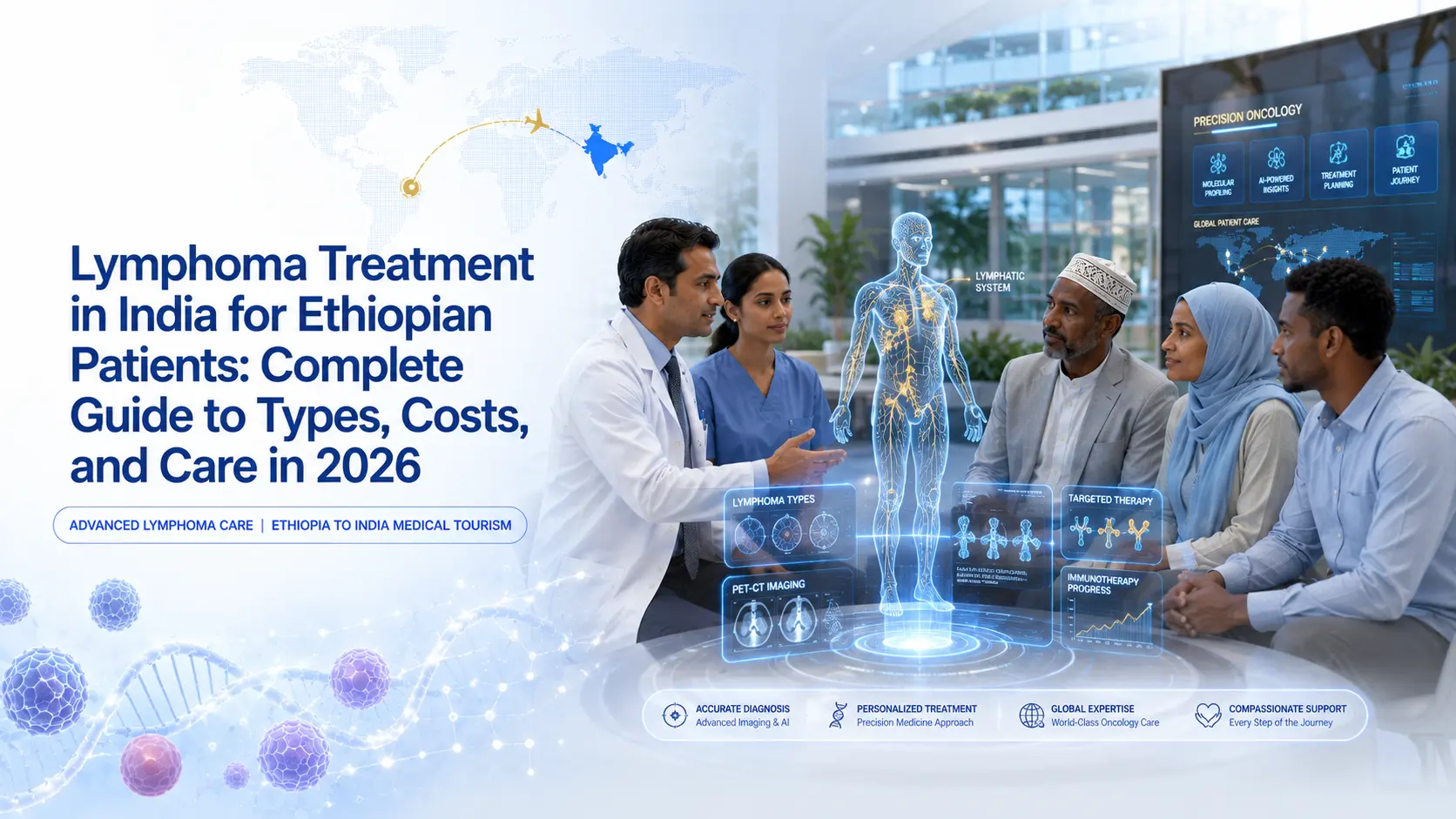
Lymphoma treatment in India for Ethiopian patients costs between 280,000 and 1,680,000 Birr (USD 5,000 to USD 30,000), depending on lymphoma type, stage, and treatment protocol required. India offers full treatment protocols for both Hodgkin's lymphoma and non-Hodgkin's lymphoma at NABH and JCI accredited cancer centers, with five-year survival rates between 70 and 90% for Hodgkin's lymphoma and 60 to 75% for non-Hodgkin's lymphoma.
Why This Guide Matters for Ethiopian Patients
Lymphoma is one of the more common cancers diagnosed in Ethiopia, frequently affecting young adults aged 20 to 40 (particularly Hodgkin's lymphoma) and middle-aged patients (non-Hodgkin's lymphoma). Diagnosis often occurs at Tikur Anbessa Specialized Hospital and Bethel Teaching Hospital with chemotherapy capacity available locally.
However, advanced lymphoma protocols including CAR-T cell therapy, certain targeted therapies, and complex case management often require treatment abroad. Treatment in Europe or the United States typically costs 5,600,000 to 22,400,000 Birr, beyond reach for most Ethiopian families.
India performs over 50,000 lymphoma treatment courses annually with outcomes that match leading Western centers, at 60 to 75% lower cost. Many Ethiopian patients with newly diagnosed lymphoma choose to complete their treatment in India where the full standard of care plus emerging therapies are immediately accessible. Major Indian cancer centers have decades of experience treating African lymphoma patients with established Amharic interpreter services and dedicated international patient care.
This guide covers what lymphoma is, the difference between Hodgkin's and non-Hodgkin's lymphoma, symptoms and diagnosis, treatment options, costs in India, and how Ethiopian patients access lymphoma care from initial consultation through long-term follow-up.
What is lymphoma?
Lymphoma is a cancer of the lymphatic system, which is part of the body's immune system, affecting cells called lymphocytes that travel through lymph nodes, spleen, bone marrow, and other lymphatic tissues throughout the body.
The lymphatic system is a network of vessels, nodes, and organs that carries lymph fluid throughout the body. Lymph fluid filters waste, fights infections, and supports immune function. The lymphatic system includes hundreds of lymph nodes, the spleen, the thymus gland, the tonsils, and bone marrow.
Lymphocytes are white blood cells that fight infections. There are two main types: B-cells, which produce antibodies that attack specific pathogens, and T-cells, which destroy infected cells directly. Both B-cells and T-cells originate in bone marrow and circulate through the lymphatic system and bloodstream.
Lymph nodes are bean-shaped structures distributed throughout the body. They are concentrated in the neck, armpits, groin, chest, and abdomen. Lymph nodes filter lymph fluid and house large populations of lymphocytes ready to respond to infections.
Lymphoma develops when lymphocytes become cancerous. The cancerous lymphocytes multiply uncontrollably and form tumors, most commonly in lymph nodes but also in the spleen, bone marrow, or other organs. As lymphoma grows, it can spread through the lymphatic system and bloodstream to multiple organs throughout the body.
Lymphoma is different from leukemia, though both affect lymphocytes. Lymphoma typically forms solid tumors in lymph nodes or organs. Leukemia originates in bone marrow and primarily spreads through blood. Some advanced lymphomas eventually involve bone marrow, and some leukemias eventually form tumor masses, so the distinction is sometimes blurred in advanced disease.
The Amharic terminology used in Ethiopia includes ሊምፎማ (limfomā) and ሊምፍ ኖድ ካንሰር (limf nod kānsar), though many Ethiopian patients use the general term የደም ካንሰር (yedem kānsar) for blood cancer to describe lymphoma.
What is the difference between Hodgkin's and non-Hodgkin's lymphoma?
Hodgkin's lymphoma and non-Hodgkin's lymphoma are two distinct categories of lymphoma differentiated by the presence of Reed-Sternberg cells in Hodgkin's lymphoma. Hodgkin's typically affects younger adults and is more responsive to treatment, while non-Hodgkin's lymphoma is more diverse with over 60 subtypes and varies significantly in treatment approach and prognosis.
Hodgkin's lymphoma
The defining feature of Hodgkin's lymphoma is the presence of Reed-Sternberg cells, which are large abnormal lymphocytes visible under microscope. Hodgkin's lymphoma often affects younger adults aged 20 to 40 and a second peak occurs in older adults over 55. It is slightly more common in men than women.
Hodgkin's lymphoma typically presents with painless lymph node enlargement in the neck, armpits, or chest. It is often diagnosed at earlier stages because the lymph nodes are usually visible or palpable. Hodgkin's lymphoma is generally more responsive to treatment than non-Hodgkin's lymphoma, with cure rates of 80 to 95% in early stages and 65 to 75% in advanced stages.
Standard treatment for Hodgkin's lymphoma involves combination chemotherapy, most commonly the ABVD regimen (Adriamycin, Bleomycin, Vinblastine, Dacarbazine), with radiation added in early-stage cases.
Non-Hodgkin's lymphoma
Non-Hodgkin's lymphoma encompasses over 60 distinct subtypes recognized by WHO classification. These subtypes can affect various types of lymphocytes including B-cells, T-cells, and NK cells. Non-Hodgkin's lymphoma covers a wider age range, with most diagnoses occurring in people over 60.
Symptoms of non-Hodgkin's lymphoma can be more variable than Hodgkin's. It can present with lymph node enlargement but also can affect other organs including the stomach, intestines, skin, and brain. Treatment approach varies dramatically by subtype, ranging from intensive chemotherapy for aggressive subtypes to watchful waiting for indolent subtypes.
Cure rates for non-Hodgkin's lymphoma range from 30% for aggressive subtypes diagnosed late to 80% for some indolent subtypes managed effectively. Non-Hodgkin's lymphoma includes both aggressive forms requiring immediate treatment and indolent forms that may be observed before treatment.
Key clinical differences
Hodgkin's lymphoma spreads in a predictable pattern through adjacent lymph nodes, which simplifies staging. Non-Hodgkin's lymphoma can spread less predictably to multiple organ systems. Hodgkin's lymphoma is typically diagnosed at earlier stages. Non-Hodgkin's lymphoma is more variable in age and presentation.
Why this distinction matters
Treatment protocols differ significantly between the two categories. Prognosis varies. The diagnostic workup is different, with lymph node biopsy showing Reed-Sternberg cells confirming Hodgkin's lymphoma. Indian centers have established protocols for both types. The same DocTrePat partner hospitals treat both Hodgkin's and non-Hodgkin's lymphoma with internationally accredited expertise.
What are the main types of lymphoma?
Lymphoma includes Hodgkin's lymphoma in one main category and non-Hodgkin's lymphoma divided into B-cell lymphomas (most common, including diffuse large B-cell lymphoma and follicular lymphoma), T-cell lymphomas (less common, more aggressive), and other rare subtypes including primary CNS lymphoma and primary effusion lymphoma.
Hodgkin's lymphoma subtypes
Classical Hodgkin's lymphoma is the most common form. It is further divided into four subtypes: nodular sclerosis is most common in young adults; mixed cellularity is more common in older adults; lymphocyte-rich is less common and often diagnosed at early stage; lymphocyte-depleted is rare and more aggressive.
Nodular lymphocyte-predominant Hodgkin's lymphoma is a less common variant. It tends to be slower-growing and is treated with a different approach from classical Hodgkin's lymphoma.
B-cell non-Hodgkin's lymphomas
B-cell lymphomas are the most common form of non-Hodgkin's lymphoma. They include both aggressive and indolent subtypes.
Aggressive B-cell lymphomas include diffuse large B-cell lymphoma (DLBCL), the most common non-Hodgkin's lymphoma globally and in Ethiopia. It is fast-growing but treatable with combination chemotherapy. Burkitt lymphoma is very aggressive and particularly seen in pediatric African patients in the endemic form. Primary mediastinal B-cell lymphoma typically affects young adults. Mantle cell lymphoma is moderately aggressive and requires intensive treatment.
Indolent (slow-growing) B-cell lymphomas include follicular lymphoma, the second most common non-Hodgkin's lymphoma globally. Marginal zone lymphoma, including MALT lymphoma, is often associated with chronic infection such as Helicobacter pylori in the stomach. Lymphoplasmacytic lymphoma, also called Waldenström macroglobulinemia, is a rare indolent subtype. Small lymphocytic lymphoma is closely related to chronic lymphocytic leukemia (CLL).
T-cell non-Hodgkin's lymphomas
T-cell lymphomas are less common than B-cell lymphomas. They include peripheral T-cell lymphomas with multiple subtypes, cutaneous T-cell lymphoma affecting the skin, adult T-cell leukemia/lymphoma associated with HTLV-1 virus, and anaplastic large cell lymphoma.
Other rare lymphoma types
Other rare lymphoma types include primary CNS lymphoma affecting the brain and central nervous system, primary effusion lymphoma often associated with HIV, splenic marginal zone lymphoma, and hairy cell leukemia.
Pediatric lymphoma
Pediatric lymphomas include Hodgkin's lymphoma in children and adolescents, Burkitt lymphoma (the most common pediatric lymphoma in Africa), diffuse large B-cell lymphoma in older children, lymphoblastic lymphoma (related to ALL leukemia), and anaplastic large cell lymphoma. Pediatric lymphoma treatment requires specialized pediatric oncology expertise.
Why understanding subtype matters
Treatment protocols differ by subtype. Some subtypes including DLBCL and classical Hodgkin's have well-established, highly effective treatment protocols. Other subtypes including some T-cell lymphomas have less standardized protocols requiring specialized expertise. Indian centers offer the full range of treatment for all lymphoma subtypes. Burkitt lymphoma, particularly relevant to Ethiopian pediatric patients, has very high cure rates with appropriate intensive treatment.
What are the symptoms of lymphoma?
Lymphoma symptoms commonly include painless swollen lymph nodes in the neck, armpits, or groin, unexplained fevers, night sweats, unintentional weight loss, persistent fatigue, itching, and shortness of breath when chest lymph nodes are involved. Symptoms are sometimes mistaken for infections or other conditions in Ethiopia.
Most common lymphoma symptoms
Painless swollen lymph nodes are the most recognizable symptom of lymphoma. Lymph nodes feel like rubbery bumps under the skin, most commonly in the neck, above the collarbone, in the armpits, or in the groin. Unlike infection-related lymph node swelling, lymphoma lymph nodes are typically painless and persist beyond two weeks without improvement.
B symptoms
In medical terminology, three symptoms are called "B symptoms" and have specific significance in lymphoma staging. Unexplained fever above 38°C lasting longer than two weeks is one. Drenching night sweats that soak bedsheets is another. Unintentional weight loss of more than 10% of body weight over six months is the third.
The presence of B symptoms indicates more advanced disease and influences treatment decisions. Each lymphoma stage is designated A (no B symptoms) or B (one or more B symptoms present).
Other common symptoms
Other common lymphoma symptoms include persistent fatigue that does not improve with rest, itching of the skin sometimes severe particularly common in Hodgkin's lymphoma, loss of appetite, pain in lymph nodes after drinking alcohol (unusual but specific to Hodgkin's lymphoma), shortness of breath when chest lymph nodes are enlarged, cough or chest discomfort when chest nodes are involved, abdominal pain or fullness when abdominal lymph nodes are enlarged, easy bruising or bleeding if bone marrow is involved, and pale skin (anemia) in advanced cases.
Symptoms specific to certain lymphoma types
Different lymphoma types can present with distinctive symptoms. Burkitt lymphoma, especially in African children, often presents with a rapidly growing tumor in the jaw or abdomen. Primary CNS lymphoma causes neurological symptoms including headaches, vision changes, and weakness. Cutaneous T-cell lymphoma causes skin lesions, rashes, and itching. Gastric MALT lymphoma causes stomach pain and indigestion. Lymphoma in the spleen causes feeling of fullness and left-sided abdominal discomfort.
Symptoms common in Ethiopian patients
Symptoms most often reported by Ethiopian lymphoma patients include painless lymph node enlargement in the neck (the most common initial symptom), persistent low-grade fever often initially treated as malaria or typhoid, unexplained weight loss, fatigue, and night sweats. Some Ethiopian patients present with advanced disease because symptoms are initially attributed to common infections.
Critical warning for Ethiopian patients
Lymphoma symptoms are commonly misdiagnosed in Ethiopia because they overlap with tuberculosis (which causes lymph node enlargement, fever, and weight loss), malaria, brucellosis, HIV-related illnesses, and other common conditions. A patient who presents with persistent lymph node enlargement should have careful evaluation including detailed history of how long the lymph node has been enlarged, other associated symptoms (fevers, weight loss, night sweats), examination of all major lymph node groups, complete blood count, and possible biopsy of an enlarged lymph node.
A lymph node that has been enlarged for more than 2 to 3 weeks without improvement, particularly if accompanied by other symptoms, warrants evaluation and possible biopsy. Lymph node biopsy is the definitive diagnostic test and should be requested if lymphoma is suspected.
What causes lymphoma and who is at risk?
Lymphoma is caused by DNA mutations in lymphocytes. Risk factors include weakened immune systems (HIV, organ transplant), certain viral and bacterial infections (Epstein-Barr virus, HTLV-1, hepatitis C, Helicobacter pylori), autoimmune diseases, family history, age, and some environmental exposures, though most cases have no identifiable cause.
Immune system factors
People with weakened immune systems have significantly increased lymphoma risk. This includes patients with HIV/AIDS, who have increased risk of certain B-cell lymphomas. Organ transplant recipients on immunosuppression face increased risk of post-transplant lymphoproliferative disorder. Patients with inherited immunodeficiency syndromes have elevated risk. Long-term immunosuppression for autoimmune diseases also increases lymphoma risk.
This is particularly relevant for Ethiopia, where HIV prevalence has been a public health priority, and where some patients may face lymphoma as a complication of long-term HIV infection.
Viral and bacterial infections
Several infections are linked to specific lymphoma types. Epstein-Barr virus (EBV) is associated with Burkitt lymphoma, particularly in Africa, as well as Hodgkin's lymphoma and some other lymphomas. HTLV-1 virus causes adult T-cell leukemia/lymphoma. Hepatitis C virus is associated with some B-cell lymphomas. Helicobacter pylori, the bacteria that causes stomach ulcers, is associated with gastric MALT lymphoma. HIV increases risk of various lymphomas. Human herpesvirus 8 is associated with primary effusion lymphoma.
Autoimmune conditions
People with certain autoimmune diseases have modestly increased lymphoma risk. This includes rheumatoid arthritis, systemic lupus erythematosus, Sjögren's syndrome, and celiac disease (which is specifically associated with intestinal T-cell lymphoma).
Family history
Family history of lymphoma slightly increases risk. Some families have genetic predispositions to lymphoma. However, most lymphoma patients have no family history of the disease.
Age and demographic factors
Lymphoma can occur at any age but specific patterns exist. Hodgkin's lymphoma has peak ages 20 to 40 and again over 55. Most non-Hodgkin's lymphomas are more common in older adults. Burkitt lymphoma is most common in African children in the endemic form. Aggressive B-cell lymphomas are more common in middle-aged adults.
Environmental and lifestyle factors
Several environmental factors have been associated with increased lymphoma risk including long-term exposure to certain pesticides and herbicides, some chemicals including benzene, hair dyes (particularly older formulations), and radiation exposure. Smoking has not been strongly linked to most lymphomas. Diet, exercise, and other lifestyle factors have not been definitively linked to lymphoma risk.
Geographic and epidemiological factors
Lymphoma incidence varies geographically. Burkitt lymphoma is endemic in equatorial Africa, including Ethiopia. HIV-related lymphomas are more common in regions with high HIV prevalence. Some lymphoma types are associated with specific geographic exposures. Lymphoma incidence is rising globally as populations age.
Unknown causes
In most lymphoma cases, no specific cause can be identified. Patients and families should not blame themselves for the diagnosis. The diagnosis is rarely preventable in most cases, and the focus should shift quickly to treatment planning rather than identifying potential causes.
How is lymphoma diagnosed?
Lymphoma is diagnosed through biopsy of an enlarged lymph node or affected tissue, followed by pathology examination, immunohistochemistry, flow cytometry, and molecular testing to identify the specific lymphoma subtype, with imaging studies (CT, PET, bone marrow biopsy) used to determine the stage.
Initial evaluation
Lymphoma diagnosis begins with physical examination focused on lymph node groups, abdomen for spleen and liver enlargement, and complete neurological examination. Blood tests including complete blood count, LDH (lactate dehydrogenase), and metabolic panel provide baseline information.
Lymph node biopsy
A lymph node biopsy is essential for lymphoma diagnosis. Several biopsy approaches are used. Excisional biopsy removes a complete enlarged lymph node for examination and is the preferred method. Incisional biopsy removes a portion of an enlarged lymph node. Needle biopsy provides a less complete tissue sample and may be insufficient for definitive diagnosis.
A complete lymph node biopsy is strongly preferred because lymphoma classification requires evaluation of architecture and cell relationships that may not be visible in needle biopsies.
Pathology and immunohistochemistry
The biopsy specimen is examined under a microscope by a pathologist. Hodgkin's lymphoma is identified by the presence of Reed-Sternberg cells. Non-Hodgkin's lymphoma subtypes are identified by cell morphology and growth pattern. Immunohistochemistry uses specific antibodies to identify cell surface markers, which helps determine the lymphoma subtype.
Flow cytometry
Flow cytometry analyzes cells from the biopsy to identify specific cell surface markers. This is essential for distinguishing between many lymphoma subtypes and determining whether the lymphoma is B-cell or T-cell origin.
Molecular testing
Molecular tests detect specific genetic features of the lymphoma including BCL2, BCL6, and MYC for some B-cell lymphomas, specific genetic rearrangements that confirm certain subtypes, and mutations that may predict treatment response.
Staging studies
Once lymphoma is diagnosed, staging studies determine how widespread the disease is. CT scan of chest, abdomen, and pelvis is standard. PET scan is more sensitive than CT for lymphoma and increasingly is the preferred imaging modality. Bone marrow biopsy is performed for many lymphoma types. MRI of brain is performed when CNS involvement is suspected. Specific blood tests include LDH, beta-2 microglobulin, and complete blood count.
Diagnostic capacity in Ethiopia
Basic diagnostic capacity is available in Ethiopia. Lymph node biopsy can be performed at Tikur Anbessa, SPHMMC, and select private hospitals. Pathology examination is available locally. Basic flow cytometry is available at some centers. CT and ultrasound are widely available. PET scan capacity is limited but becoming more available.
Limited or unavailable in Ethiopia are comprehensive immunohistochemistry panels, advanced molecular testing, PET-CT (becoming more available but capacity is limited), and bone marrow flow cytometry. Many Ethiopian patients have a lymphoma diagnosis confirmed in Ethiopia through biopsy but require complete subtyping and staging in India before treatment. Indian centers complete comprehensive workup within 5 to 7 days of arrival.
What are the stages of lymphoma?
Lymphoma is staged using the Ann Arbor staging system from Stage I (limited to one lymph node region) to Stage IV (widespread involvement of multiple organs). The presence of B symptoms (fever, night sweats, weight loss) is designated as 'B' added to the stage number to indicate more advanced disease.
Ann Arbor staging system
Stage I means lymphoma in only one lymph node region or one extralymphatic site. Stage II means lymphoma in two or more lymph node regions on the same side of the diaphragm. Stage III means lymphoma in lymph node regions on both sides of the diaphragm. Stage IV means widespread lymphoma involving non-lymphatic organs such as lungs, liver, bone marrow, or brain in addition to lymph nodes.
A or B designation
Each stage is also designated as A or B based on the presence of B symptoms. A means no B symptoms present. B means one or more B symptoms present (fever above 38°C, drenching night sweats, or unintentional weight loss greater than 10% of body weight).
For example, Stage IIA means lymphoma in two lymph node regions on the same side of the diaphragm with no B symptoms. Stage IVB means widespread involvement with B symptoms.
How stage affects treatment
Early-stage (Stage I and II) lymphoma is often curable with combination chemotherapy alone, sometimes with radiation. Advanced-stage (Stage III and IV) lymphoma requires more intensive treatment, typically more cycles of combination chemotherapy and sometimes additional therapies like targeted therapy or stem cell transplant. The presence of B symptoms indicates higher tumor burden and may influence treatment intensity.
Other prognostic factors beyond staging
Several factors beyond stage influence prognosis. Age at diagnosis matters. LDH levels indicate tumor burden, with elevated levels suggesting higher burden. Performance status (ability to perform daily activities) is important. Lymphoma-specific features including genetic markers and growth pattern influence prognosis. Type and subtype of lymphoma matter significantly. Response to initial treatment is the strongest predictor of long-term outcome.
The International Prognostic Index (IPI) for aggressive lymphomas and the Follicular Lymphoma International Prognostic Index (FLIPI) for follicular lymphoma combine multiple factors to predict outcomes.
Why staging matters
Staging guides treatment decisions, predicts likely outcomes, and influences follow-up plans. Indian centers perform complete staging using all current methods, providing more comprehensive staging information than is typically available in Ethiopia.
What is lymphoma in children?
Pediatric lymphoma includes Hodgkin's lymphoma, Burkitt lymphoma (particularly common in African children), diffuse large B-cell lymphoma, and lymphoblastic lymphoma, with treatment requiring specialized pediatric oncology expertise but generally achieving high cure rates of 75 to 95% with appropriate care.
Most common pediatric lymphomas
Hodgkin's lymphoma in children and adolescents often affects teenagers and young adults. It presents with painless lymph node enlargement, often in the neck or above the collarbone. Cure rates with full treatment are 85 to 95%. Treatment includes chemotherapy and sometimes radiation.
Burkitt lymphoma in the endemic form is the most common pediatric lymphoma in equatorial Africa, including Ethiopia. It often presents with a rapidly growing tumor in the jaw, face, or abdomen. Endemic Burkitt lymphoma is associated with Epstein-Barr virus infection. The disease is highly aggressive but very responsive to intensive chemotherapy. Cure rates with appropriate treatment reach 80 to 90%.
Sporadic Burkitt lymphoma occurs worldwide in children. It often presents with abdominal mass. Treatment is similar to the endemic form, and cure rates are comparable with full treatment.
Diffuse large B-cell lymphoma in children is less common than in adults and is often diagnosed in older children. Treatment includes intensive combination chemotherapy.
Lymphoblastic lymphoma is closely related to acute lymphoblastic leukemia (ALL). Treatment uses ALL-like protocols. Cure rates are 70 to 85% with appropriate treatment.
Treatment considerations for children
Pediatric lymphoma treatment requires specialized pediatric oncology expertise. Modified chemotherapy dosing accounts for body size. Special attention is paid to growth and development. Management of treatment side effects in growing patients requires specialized knowledge. The care model is family-centered. Consideration of long-term effects including fertility, secondary cancers, and cardiac effects is essential.
Pediatric lymphoma in Ethiopia
Pediatric oncology capacity in Ethiopia exists at Tikur Anbessa Specialized Hospital. However, capacity is constrained relative to need, and complex cases requiring intensive protocols or specialized expertise often require treatment abroad. Burkitt lymphoma cases in Ethiopian children have improved outcomes when treated with full intensive protocols, which are routinely available in India.
Pediatric lymphoma treatment in India
Major Indian hospitals have dedicated pediatric hematology-oncology departments with extensive experience treating childhood lymphomas, specialized pediatric oncology teams, family accommodation near treatment facilities, pediatric-specific Amharic interpreter services, child-life specialists supporting children through treatment, and lower treatment costs compared to Western pediatric oncology centers.
For families with a pediatric lymphoma diagnosis, expedited consultation through DocTrePat can provide a treatment plan and cost estimate within 48 hours.
What are the main treatment options for lymphoma?
Lymphoma treatments include chemotherapy (the foundation of most lymphoma treatment), radiation therapy, immunotherapy and targeted therapy (including monoclonal antibodies like Rituximab and newer agents), CAR-T cell therapy for relapsed cases, and stem cell transplant for selected aggressive or relapsed cases.
Chemotherapy
Chemotherapy is the foundation of most lymphoma treatment. Standard regimens are well-established for specific lymphoma types. The ABVD regimen (Adriamycin, Bleomycin, Vinblastine, Dacarbazine) is standard for Hodgkin's lymphoma. The R-CHOP regimen (Rituximab, Cyclophosphamide, Doxorubicin, Vincristine, Prednisone) is standard for many B-cell non-Hodgkin's lymphomas. Hyper-CVAD or other intensive regimens are used for aggressive lymphomas like Burkitt. Treatment typically involves 6 to 8 cycles over 4 to 6 months. Side effects include hair loss, fatigue, nausea, and infection risk, all manageable with supportive care.
Targeted therapy
Targeted therapy has transformed lymphoma treatment. Rituximab, an anti-CD20 antibody, is standard for most B-cell lymphomas and dramatically improves outcomes. Obinutuzumab is a newer anti-CD20 antibody used for follicular lymphoma and CLL. BTK inhibitors including ibrutinib and acalabrutinib are used for mantle cell lymphoma, marginal zone lymphoma, and CLL. BCL-2 inhibitors including venetoclax are used for CLL and other lymphomas. These targeted agents are available in India at significantly lower cost than Western pricing.
Immunotherapy
Immunotherapy uses the body's immune system to fight lymphoma. Checkpoint inhibitors including pembrolizumab and nivolumab are used for relapsed Hodgkin's lymphoma and certain non-Hodgkin's lymphomas. CAR-T cell therapy is a revolutionary treatment for relapsed aggressive B-cell lymphomas, available at select Indian centers including major DocTrePat partner hospitals.
Radiation therapy
Radiation therapy is used in specific situations including early-stage Hodgkin's lymphoma combined with chemotherapy, localized non-Hodgkin's lymphoma in selected cases, bulky lymph node masses requiring local control, and palliative treatment for symptom relief.
Stem cell transplant
Stem cell transplant is used for relapsed Hodgkin's lymphoma after initial chemotherapy, high-risk aggressive non-Hodgkin's lymphomas in first remission, and some aggressive lymphomas at diagnosis. Two main types exist. Autologous transplant uses the patient's own cells, harvested before chemotherapy. Allogeneic transplant uses cells from a matched donor. Autologous transplant is more common for lymphoma. Recovery takes several weeks to months.
CAR-T cell therapy in detail
CAR-T cell therapy is a transformative treatment for relapsed lymphomas. The patient's own immune cells are collected. The cells are genetically modified in a laboratory to recognize lymphoma cells. The modified cells are infused back into the patient. CAR-T is available at select Indian centers. Response rates are high even in patients who have failed multiple prior treatments. CAR-T cell therapy in India is significantly less expensive compared to Western options, where the treatment can cost USD 400,000 to USD 500,000.
Treatment selection by lymphoma type
Treatment selection depends on lymphoma type and subtype, stage at diagnosis, patient age and overall health, presence of B symptoms, specific genetic features, and previous treatments for relapsed cases. Indian centers offer the full range of lymphoma treatments. Treatment plans are developed by multidisciplinary tumor boards including hematologists, medical oncologists, radiation oncologists, and pathologists.
How is lymphoma treated in India for international patients?
Lymphoma treatment in India for international patients follows internationally standardized protocols at NABH and JCI accredited hematology-oncology centers, with multidisciplinary teams managing each case through comprehensive workup, treatment, and follow-up over a typical 6 to 12 month treatment journey.
The treatment process for Ethiopian lymphoma patients begins before arrival. Medical reports including biopsy results, imaging studies, and any prior treatment information are sent to an Indian hematologist-oncologist for review. Initial assessment and treatment plan recommendation are provided within 48 hours along with cost estimate. For aggressive lymphomas requiring immediate treatment, expedited 24-hour case review is available.
Upon arrival in India, comprehensive workup is completed within 5 to 7 days. This typically includes repeat or supplementary biopsy if Ethiopian biopsy results are incomplete, complete immunohistochemistry panel, flow cytometry on biopsy specimen, molecular and cytogenetic testing, PET-CT scan for staging, bone marrow biopsy if not previously performed, complete blood and metabolic workup, and echocardiogram (because chemotherapy can affect the heart, requiring baseline assessment).
A multidisciplinary tumor board reviews the case. The treating hematologist consults with medical oncologists, radiation oncologists, pathologists, and other specialists to finalize the treatment protocol.
Treatment typically begins within 5 to 10 days of arrival. For aggressive lymphomas, treatment can begin within 48 hours when medically urgent. The treatment course depends on lymphoma type and stage. Patients typically receive 6 to 8 cycles of chemotherapy over 4 to 6 months. Each cycle includes treatment administration followed by 2 to 3 weeks of recovery. Patients can return home between cycles or stay continuously in India depending on family logistics.
Following the initial treatment course, response is assessed with repeat PET-CT scan. The treatment plan continues with additional cycles, consolidation, or transition to surveillance depending on response.
Specific features of Indian lymphoma treatment that benefit Ethiopian patients include availability of all standard chemotherapy regimens, access to Rituximab and other targeted therapies at lower cost than Western alternatives, CAR-T cell therapy availability for relapsed cases, Amharic interpreter services at major centers, dedicated pediatric oncology departments for childhood lymphomas, and established protocols for managing African patient care.
How much does lymphoma treatment cost in India by type?
Lymphoma treatment costs in India for Ethiopian patients range from 280,000 Birr for early-stage Hodgkin's lymphoma with standard chemotherapy to 1,680,000 Birr for complex cases requiring CAR-T cell therapy or stem cell transplant.
What is included in these costs: hematologist and oncologist fees, hospitalization, chemotherapy drugs, supportive care medications, basic imaging during treatment, and post-treatment review for the first 30 days.
What is not included: travel and accommodation, food, attendant expenses, ongoing surveillance imaging after treatment, long-term medications for return to Ethiopia, and PET scans for follow-up.
Cost ranges are based on DocTrePat partner hospital indicative quotes as of June 2026. Exchange rates: 1 USD = 56 Birr = 83 INR. Actual treatment cost requires personalized assessment after comprehensive workup.
Get a personalized lymphoma treatment cost estimate based on your reports within 48 hours. WhatsApp: +91 96259 33363
What additional costs should Ethiopian families plan for?
Beyond treatment, Ethiopian lymphoma families typically budget 84,000 to 280,000 Birr (USD 1,500 to USD 5,000) for extended stay in India during the 6 to 12 month treatment course, plus travel, accommodation, food, and attendant expenses.
Lymphoma treatment carries extended costs because the treatment course typically spans 6 to 12 months. Families plan for multiple return visits, extended stays during intensive treatment phases, and ongoing follow-up care.
DocTrePat coordinates extended-stay accommodation at preferential rates, multi-entry visa support, Amharic interpreter throughout treatment, family support coordination, and follow-up scheduling between India and Ethiopia. These services are provided free of charge for Ethiopian patients.
Most patients prefer to return home between cycles when possible, which reduces extended-stay costs but increases flight costs. The choice depends on family circumstances, treatment intensity, and clinical recommendations.
Which Indian hospitals are best for lymphoma treatment for Ethiopian patients?
Leading Indian hospitals for lymphoma treatment for Ethiopian patients include BLK Max Hospital Delhi, Fortis Memorial Research Institute Gurugram, Medanta The Medicity, Apollo Hospitals, and Tata Memorial Centre Mumbai, all offering full lymphoma treatment protocols including CAR-T cell therapy at select centers.
BLK Max Super Specialty Hospital operates a comprehensive hematology-oncology department treating over 1,500 lymphoma patients annually. The hospital has extensive experience with both Hodgkin's and non-Hodgkin's lymphoma, offering all standard chemotherapy protocols plus access to targeted therapies. Lead hematologists at BLK Max have international fellowship training. The hospital provides Amharic interpreter services and has established protocols for African patient care.
Fortis Memorial Research Institute Gurugram has a leading hematology and bone marrow transplant program with substantial experience in lymphoma treatment. The center performs autologous transplants for relapsed lymphomas and offers CAR-T cell therapy at high outcomes comparable to Western centers.
Medanta The Medicity houses the Medanta Cancer Institute with specialized hematology-oncology and pediatric oncology departments. The institute offers CAR-T cell therapy for relapsed B-cell lymphomas. Pediatric lymphoma care, including Burkitt lymphoma treatment, is particularly strong with dedicated pediatric hematologists experienced in childhood lymphoma protocols.
Apollo Hospitals operating in Chennai, Delhi, and Hyderabad runs one of India's most established oncology networks with decades of experience treating international lymphoma patients. Apollo's hematology-oncology programs include extensive experience with African patient care and pediatric lymphoma treatment.
Tata Memorial Centre Mumbai is India's premier cancer hospital with extensive lymphoma expertise and one of the largest lymphoma case volumes in the country. Tata Memorial has published extensively on lymphoma outcomes and offers cutting-edge treatments. International patient services are well-established for Ethiopian and other African patients.
Hospital selection for each Ethiopian lymphoma patient is based on specific lymphoma type, urgency, transplant requirement if applicable, CAR-T eligibility if relevant, pediatric needs if applicable, and family logistics. DocTrePat manages hospital selection through case review with the treating hematology-oncology team. For pediatric lymphoma cases, hospital selection prioritizes pediatric oncology expertise above all other factors. For relapsed cases requiring CAR-T cell therapy or transplant, hospital selection prioritizes the specific advanced treatment availability.
What is the success rate of lymphoma treatment in India?
Five-year survival rates for lymphoma treatment in India range from 60 to 95% depending on type and stage, with Hodgkin's lymphoma achieving 80 to 95% survival, aggressive non-Hodgkin's lymphomas (DLBCL) achieving 60 to 80% survival, and indolent lymphomas achieving long-term control with management.
Outcomes depend significantly on age, stage at diagnosis, presence of B symptoms, specific lymphoma subtype, presence of high-risk genetic features, and response to initial treatment. Indian outcomes are comparable to Western centers because the same protocols, drugs, and supportive care approaches are used.
For Ethiopian patients specifically, when patients reach Indian centers at any stage, the same treatment standards apply. Earlier diagnosis improves outcomes substantially. Pediatric lymphoma outcomes in India are particularly strong because Indian pediatric oncology has substantial experience with childhood lymphomas including the Burkitt lymphoma cases common in African pediatric populations.
Indian centers publish lymphoma outcomes in peer-reviewed medical journals, making outcomes transparently available for patients and referring physicians to evaluate.
How does an Ethiopian patient travel to India for lymphoma treatment?
Ethiopian lymphoma patients travel to India by obtaining an Indian medical visa (multi-entry recommended for the extended treatment course), flying Ethiopian Airlines from Addis Ababa to Delhi, Mumbai, or Chennai depending on the chosen hospital, and being received at the airport by their hematology-oncology coordinator.
First, DocTrePat receives medical reports including biopsy results, imaging studies, and any prior treatment information, and routes them to an Indian hematology-oncology team for review. Treatment plan, cost estimate, and hospital invitation letter are provided within 48 hours. For aggressive lymphomas requiring immediate treatment, expedited 24-hour case review is available with hospital invitation letter issued urgently.
Second, the patient applies for an Indian medical visa at the Indian Embassy in Addis Ababa. Standard processing is 5 to 10 working days. Urgent cases can be expedited to 2 to 3 days with hospital support and medical urgency documentation. A multi-entry visa is recommended for lymphoma patients because the treatment course typically requires multiple return visits over 6 to 12 months. A companion visa for one attendant is processed simultaneously.
Third, the patient books Ethiopian Airlines from Addis Ababa Bole International Airport to the appropriate destination. Delhi is the most common destination, with Mumbai, Bangalore, and Chennai available depending on hospital choice. DocTrePat coordinates airport pickup and direct transfer to the hospital. For acutely ill patients, ambulance pickup is arranged from the airport directly to the hematology-oncology unit.
Critical timing notes: aggressive lymphomas including Burkitt lymphoma and high-grade DLBCL require treatment to begin within days of diagnosis. For these urgent cases, the standard 14 to 21 day timeline can be compressed to 5 to 10 days. Indolent lymphomas allow more time for thorough planning and family decision-making.
Take the Next Step
Get a personalized lymphoma treatment cost estimate within 48 hours. Share your biopsy results and imaging reports on WhatsApp for expert review from an Indian hematology-oncology specialist.
[WhatsApp: +91 96259 33363] [Get a Free Second Opinion]
Frequently Asked Questions
Relapsed cases still have strong options. Salvage chemotherapy combined with autologous stem cell transplant is standard for relapsed Hodgkin's and DLBCL, and CAR-T cell therapy is available at select Indian centers for relapsed aggressive B-cell lymphomas, at a fraction of Western pricing.
Not necessarily. Many patients return to Ethiopia between chemotherapy cycles, which are typically spaced 2 to 3 weeks apart, then travel back for the next cycle. This reduces accommodation costs but adds flight costs, so it's a decision made with your treatment team based on your case and family logistics.
This is a classic presentation of Burkitt lymphoma, which is relatively common in African children and highly aggressive but also highly curable (80-90%) with prompt, intensive treatment. This is one of the more time-sensitive lymphoma presentations, so faster evaluation matters.
Hodgkin's is generally more predictable and responsive to treatment, with cure rates up to 95% at early stage. Non-Hodgkin's has 60+ subtypes with more variable outcomes. Both are fully treatable at the same Indian partner hospitals, but the specific protocol and specialist team differ by subtype.
Yes, significantly. Early-stage Hodgkin's lymphoma runs 280,000 to 504,000 Birr, while relapsed cases needing stem cell transplant or CAR-T can reach 1,680,000 to 4,200,000 Birr. DocTrePat provides a type-specific estimate within 48 hours of reviewing your biopsy report.
Our team is here to help you with personalized answers, treatment guidance, and free cost estimates. Reach out anytime, we’ll respond within 24 hours.
Get in Touch Now!
.webp)